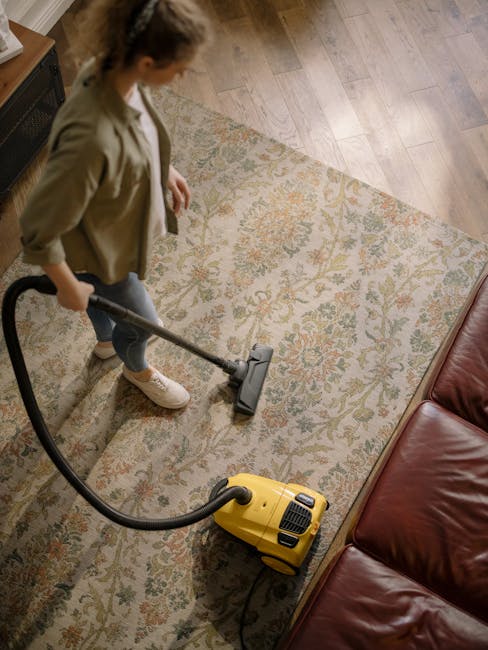
Chislehurst Caves carpet cleaning guide for BR7 homes

If you live in BR7, carpet care can be a bit more nuanced than a quick vacuum and a hopeful spray of deodoriser. The air in some Chislehurst homes, especially older properties and busy family houses, can leave carpets holding onto dust, footfall marks, pet odours, and the odd stubborn spill. This Chislehurst Caves carpet cleaning guide for BR7 homes is here to make the whole thing feel less guesswork and more like a sensible plan.
Whether you are dealing with a hallway that never seems to stay clean, a lounge carpet that looks tired under daylight, or a room that smells a little musty after winter, the right approach matters. Truth be told, the difference between a surface clean and a proper deep clean is often obvious the moment you walk in. Below, you will find practical steps, comparison advice, and local considerations that help BR7 homeowners get better results without making avoidable mistakes.
One quick note: not every carpet needs the same treatment. Fibre type, stain history, room use, and drying conditions all change the best method. That is where a careful, informed approach pays off.
Why Chislehurst Caves carpet cleaning guide for BR7 homes Matters
BR7 homes often have a mix of practical realities: busy family life, pets, shoes coming in from the garden, and the kind of older flooring that shows traffic patterns fast. Add in the local character of Chislehurst properties, and you often end up with carpets that need more than a light refresh. That is especially true in entrance halls, stairs, landings, and living rooms, where dirt settles quietly and builds up over time.
The name of this guide nods to Chislehurst Caves because local homes can carry the same kind of tucked-away dust and lingering moisture issues that appear in enclosed spaces. Not literally caves, of course. But the principle is similar: if a carpet has hidden contamination, a quick pass with a vacuum will not fully deal with it.
A good cleaning plan matters because carpets are not just decorative. They influence indoor air feel, comfort underfoot, and how welcoming a room looks on a grey London afternoon. If you have ever lifted a rug or moved a sofa and found a darker patch underneath, you already know how fast dirt spreads. It's a bit rude, really.
For local homeowners, this guide also matters because the right method can prevent damage. Too much water, the wrong detergent, or over-wetting underlay can create more problems than you started with. That is where informed carpet cleaning beats trial and error every single time.
How Chislehurst Caves carpet cleaning guide for BR7 homes Works
At a practical level, carpet cleaning usually follows a simple sequence: inspect, pre-treat, clean, extract, dry, and then check the result. The details vary depending on the pile, fibre, stains, and room conditions, but the structure stays similar.
In BR7 homes, the most common approach is a deep clean that combines targeted stain treatment with hot water extraction or steam carpet cleaning, depending on the carpet and the situation. Some people call this steam cleaning in everyday conversation, even though the process often uses hot water extraction rather than pure steam. The distinction matters more than you might think.
Here is what typically happens:
- Inspection: Identify the fibre, stains, wear areas, and any delicate sections.
- Dry soil removal: Vacuum thoroughly to remove grit and loose debris first.
- Pre-treatment: Apply a suitable solution to break down grime, grease, and spotting.
- Agitation if needed: Work the solution gently into the fibres for better lift.
- Extraction or rinse: Remove dirt and cleaning residue with controlled moisture.
- Drying: Improve airflow and avoid walking on the carpet too soon.
- Final check: Revisit stains, edges, or flattened areas if necessary.
The point is not just to make the carpet look cleaner for a day. It is to remove embedded dirt without leaving behind sticky residue or excess moisture. Residue is sneaky; it can attract soil again faster than you expect.
If you are comparing professional options, you may also want to look at the broader carpet cleaning service and the more specialised steam carpet cleaning option where appropriate. For homes with marked upholstery nearby, the related upholstery cleaning page may also be useful.
Key Benefits and Practical Advantages
The obvious benefit is appearance. Clean carpets lift a room instantly. But the better reasons are often the less visible ones.
- Improved freshness: Proper cleaning removes stale smells trapped in fibres.
- Better presentation: Hallways, lounges, and stairs look cared for rather than tired.
- Longer carpet life: Removing grit helps reduce fibre wear.
- More comfortable living spaces: The carpet feels softer and less gritty underfoot.
- Reduced stain setting: Fast, correct treatment gives spills less chance to become permanent.
- Support for allergy-aware households: Dust and debris are reduced, though results vary by home and routine.
There is also a quiet financial benefit. A decent carpet is not cheap to replace, and replacement usually means disruption, disposal, and new fitting costs. So, in many BR7 households, regular deep cleaning is simply the sensible middle ground.
Another practical advantage is consistency. When a room is cleaned properly every so often, the whole house tends to feel easier to keep on top of. You stop fighting small battles every week. That alone is worth quite a bit.
Who This Is For and When It Makes Sense
This guide is for anyone in BR7 who wants better carpet results without wasting time or money. That includes homeowners, landlords, tenants at the end of a tenancy, and families with children or pets. It also helps if you are trying to decide whether a professional clean is worth it, or whether a DIY attempt will do the job.
It makes particular sense if your carpet shows any of the following:
- visible traffic lanes on stairs or hallways
- pet odours or recurring accidents
- food or drink stains that have set in
- a general dullness that vacuuming no longer fixes
- smells after damp weather or room closure
- flattened pile in high-use rooms
Let's face it, most carpets do not suddenly become dirty. They fade into that stage where they look "not too bad" until one Saturday morning sunlight catches everything. Then you see the truth. A deep clean makes sense before guests arrive, before a property handover, after winter, or whenever the carpet starts telling on the household a little too loudly.
If you are comparing value and planning a budget, the pricing and quotes page can help you understand how a service might be structured. If you want a broader sense of the company behind the service, the about us page is a useful place to start.
Step-by-Step Guidance
Below is a practical, homeowner-friendly process you can follow before and after a professional clean, or when assessing whether your own method is good enough.
1. Check the carpet type first
Wool, synthetic, and blended carpets all behave differently. A wool carpet usually needs more care with heat and detergents. Synthetic carpet is often more forgiving, but not indestructible. When in doubt, test in a discreet area.
2. Vacuum slowly and properly
A quick pass is not enough. Go slowly, especially in the direction that lifts the pile. If the carpet has not been vacuumed thoroughly before cleaning, soil just turns to mud once moisture is introduced. Not ideal.
3. Treat spots before the main clean
Stains often need targeted treatment. Food marks, drink spills, pet spots, and grease all respond differently. A one-size-fits-all spray can spread the stain or lock it in.
4. Work from the edges inward
For rooms with visible traffic lines, clean carefully from the outer areas towards the main soiled section. This helps avoid obvious tide marks. It sounds small, but it really shows in the finish.
5. Control moisture
More water is not better. Excess moisture can affect underlay, prolong drying, and occasionally lead to odour problems. Controlled application is usually the safer choice.
6. Dry the room properly
Open windows if weather allows, use airflow, and avoid heavy foot traffic until the carpet is dry enough. In a damp spell, drying can take longer than people expect, so plan for that. A clean carpet that stays wet too long is a nuisance, plain and simple.
7. Recheck after drying
Some stains look lighter when wet and reappear faintly as they dry. Check the result the next day if possible. That gives you a true picture.
Expert Tips for Better Results
A few small decisions can change the final result a lot.
- Vacuum before any wet clean: This is not optional if you want a cleaner finish.
- Blot, don't rub: Rubbing drives soil deeper and can damage the pile.
- Use the right stain method: Protein-based spills, oily marks, and tannins need different approaches.
- Keep airflow going: Even a fan in the room can help drying time and reduce odour.
- Protect vulnerable areas: Door thresholds and under-sofa spots need extra attention because dirt hides there.
- Schedule cleaning before the carpet looks terrible: Regular maintenance is easier than rescue work.
One small but useful habit: take a photo of the carpet before cleaning. Sounds a bit over the top, maybe, but it helps you compare before-and-after properly and avoid thinking a still-damp patch is a permanent stain.
If you are dealing with pet smells or repeated accidents, the dedicated pet stain and odour removal service can be a better match than a general clean. For isolated marks, the stain removal option may also be more appropriate.
Common Mistakes to Avoid
There are a few classic errors that come up again and again in home carpet care. Most are understandable. Some are just annoying to clean up later.
- Using too much detergent: This leaves residue and can make carpets attract dirt more quickly.
- Over-wetting the carpet: It slows drying and may affect underlay or skirting edges.
- Scrubbing aggressively: That can fuzz the fibres or spread the stain.
- Ignoring the fibre type: What works on one carpet can ruin another.
- Leaving old spills untreated: The longer a mark sits, the harder it is to lift cleanly.
- Cleaning only the visible patch: This can create a halo or an obvious clean spot beside a dirty one.
One of the sneakiest mistakes is assuming a carpet is dry when it only feels dry on the surface. Underneath, it may still be holding moisture. If you walk on it too soon, you can compress fibres or pick up fresh dirt again. Bit of a pain, that.
To avoid those issues, some homes choose a more controlled professional process such as steam carpet cleaning, especially where the carpet is heavily used or visibly tired.
Tools, Resources and Recommendations
You do not need a warehouse of equipment to maintain carpets well. But the right basics do matter.
| Tool or resource | What it helps with | Best use |
|---|---|---|
| Quality vacuum cleaner | Removing dry soil and grit | Weekly maintenance and pre-clean prep |
| Microfibre cloths | Blotting spills without spreading them | Immediate spot treatment |
| Soft brush or carpet rake | Lifting pile and working in pre-treatment gently | Before or after deep cleaning |
| Neutral carpet-safe solution | General spot treatment | Small stains, tested first |
| Airflow support | Faster drying | After wet cleaning |
| Professional inspection | Identifying fibres, wear, and risk areas | When stains are mixed or carpets are delicate |
For many BR7 homes, the smartest recommendation is not "buy more product," but "use the right method less often and more carefully." That tends to work better, and the carpet is usually happier for it.
If you are also cleaning matching curtains, rugs, or sofas at the same time, it is often worth looking at related services like rug cleaning, curtain cleaning, sofa cleaning, and mattress cleaning. It is not just about convenience. It helps the whole room feel genuinely refreshed.
Law, Compliance, Standards, or Best Practice
For household carpet cleaning, there is usually less formal compliance pressure than in commercial settings, but best practice still matters. In the UK, homeowners should expect careful handling of cleaning chemicals, sensible moisture control, and responsible disposal of waste water where applicable. If you hire a cleaner, you should also expect clear communication about the method used, any risks to delicate fibres, and any drying advice.
Good practice also means being honest about what a clean can and cannot do. A deep clean may improve appearance and smell significantly, but it will not magically reverse permanent wear, sun fade, or fibre damage. That honesty is part of trust.
Where safety and insurance are concerned, it is reasonable to ask whether the provider has appropriate cover and works in a way that reduces risk to your home. The site's insurance and safety information, along with the health and safety policy, can help you judge that. If sustainability matters to you, the recycling and sustainability page is also worth a look.
In simple terms: choose careful methods, ask sensible questions, and avoid anyone who sounds vague about process or drying time. If you have ever had a room smell a bit off after a rushed clean, you will know why this matters.
Options, Methods, or Comparison Table
Different carpet problems call for different approaches. Here is a straightforward comparison that may help you decide what fits your BR7 home best.
| Method | Best for | Pros | Watch-outs |
|---|---|---|---|
| Regular vacuuming | Weekly upkeep | Cheap, essential, fast | Won't remove deep stains or odours |
| Spot cleaning | Fresh spills | Targets small marks quickly | Easy to spread a stain if done badly |
| DIY wet cleaning | Light to moderate soil | Convenient if used carefully | Risk of residue or over-wetting |
| Professional hot water extraction | General deep cleaning | Strong soil removal, good overall refresh | Needs drying time and suitable fibre checks |
| Steam carpet cleaning | Heavily used carpets, deeper soil | Useful for stubborn grime and tired pile | Not suitable for every carpet |
If you are still unsure, the safe answer is usually to start with the least aggressive method that can realistically solve the problem. That sounds obvious, but it saves a lot of regret later.
Case Study or Real-World Example
A typical BR7 scenario goes like this. A family in a semi-detached home near the heart of Chislehurst had a lounge carpet that looked fine at first glance, but by late afternoon it showed a dull grey path from the sofa to the patio doors. There was also a faint dog odour after rainy walks, plus a couple of old drink marks that had settled into the pile.
They started with vacuuming, but the carpet still looked flat and slightly tired. The key issue was not surface dirt alone. It was a mix of embedded soil, pet activity, and traffic wear. A targeted clean with pre-treatment and careful extraction helped lift the pile, reduce the smell, and make the room look brighter without over-wetting the carpet.
The small win? They also cleaned the rug under the coffee table and the sofa area at the same time, so the room looked balanced rather than half-done. That made a much bigger visual difference than they expected. A little annoying to admit, but rooms do judge each other.
That is the kind of real-world result this guide is aimed at: not perfection, just a more sensible, better-looking outcome that fits day-to-day family life.
Practical Checklist
Use this checklist before arranging a clean or doing it yourself.
- Identify the carpet fibre if you can
- Vacuum thoroughly before any wet treatment
- Test stain products in a hidden area
- Blot spills instead of rubbing them
- Check for pet odours, not just visible marks
- Move small items and fragile objects out of the room
- Plan drying time before the clean starts
- Ask about method, moisture control, and aftercare
- Inspect under furniture edges and doorway traffic areas
- Recheck the carpet after it has fully dried
Expert summary: the best carpet cleaning results in BR7 usually come from a calm, methodical process rather than a heavy-handed one. Clean the soil first, treat stains properly, avoid over-wetting, and give the carpet enough time to dry. Simple, but effective.
Conclusion
For BR7 homes, carpet cleaning is not just a cosmetic job. It is part of keeping your home comfortable, fresh, and easier to live in. The right approach depends on fibre, stain type, room use, and drying conditions, but the fundamentals stay the same: inspect carefully, clean gently, and never rush moisture management.
If you remember only one thing from this Chislehurst Caves carpet cleaning guide for BR7 homes, let it be this: a thoughtful clean almost always beats an aggressive one. And in homes where life is busy, muddy, or just a bit messy now and then, that thoughtful approach can make a surprisingly big difference.
If you are ready to compare options, explore service details, or plan the next step for your home, start with the pages that match your needs and work from there. It is one of those small home decisions that pays off every time you walk into the room.
Get a free quote today and see how much you can save.
Frequently Asked Questions
What is the best carpet cleaning method for BR7 homes?
For many BR7 homes, hot water extraction is a strong all-round choice because it removes embedded dirt well and suits everyday family use. That said, the best method depends on the carpet fibre, the age of the carpet, and whether there are pet stains or delicate materials involved.
How often should carpets be professionally cleaned?
There is no single rule for every home, but many households benefit from a deep clean every 6 to 12 months. Busy homes with children, pets, or heavy traffic may need it more often. A hallway or stairs can wear out visually much faster than a spare room.
Can I clean a wool carpet the same way as a synthetic one?
No, not really. Wool usually needs gentler handling, more careful detergent choice, and tighter moisture control. Synthetic carpets are often more forgiving, but they still can be damaged by harsh cleaning or over-wetting.
Why does my carpet smell worse after cleaning?
That usually happens when the carpet has been over-wet, drying is too slow, or old spills are reactivated. A proper clean should reduce odour, not trap moisture in the pile or underlay. If the smell lingers, drying support and a recheck may be needed.
Are steam carpet cleaning and hot water extraction the same thing?
People often use the terms loosely, but they are not always identical. In everyday usage, "steam cleaning" often refers to a hot water extraction process rather than literal steam. The exact method matters less than whether it is suitable for your carpet and done correctly.
Can carpet cleaning remove old stains?
Sometimes, yes. Older stains can often be reduced significantly, but results depend on what caused the mark, how long it has been there, and whether any previous cleaning products were used. Some stains are permanent or partly permanent, so it is best to treat expectations carefully.
Is professional carpet cleaning worth it for a small flat?
It can be, especially if the carpet is the main flooring surface and the property gets a lot of foot traffic. Small spaces often show dirt more quickly because every room is used hard. A good clean can make the whole flat feel much fresher.
What should I do before the cleaner arrives?
Clear smaller items, vacuum if asked to, point out stains, and mention any problem areas such as damp patches or delicate fibres. If you have pets, it helps to mention odours or accidents in advance so the right treatment can be used.
How long does carpet take to dry?
Drying time varies with carpet type, weather, ventilation, and how much moisture was used. Some carpets dry fairly quickly, while others take longer. Good airflow, open windows where practical, and light room use help the process along.
Can carpet cleaning help with allergies?
It may help reduce dust and debris in the carpet, which can improve the feel of a room for some people. However, carpet cleaning is not a medical treatment, and results will vary. Regular vacuuming and good room ventilation still matter a lot.
What if my carpet has pet accidents and general dirt?
That is common, and it usually needs a combined approach. A general deep clean may improve appearance, but pet accidents often need dedicated odour and stain treatment as well. The pet stain and odour removal service is designed for exactly that kind of mixed problem.
Should I choose carpet cleaning or rug cleaning first?
If both are in the same room, it often makes sense to assess them together. Rugs and carpets can affect each other visually, so cleaning one without the other can make the room look uneven. If the rug is removable, the rug cleaning page is worth considering alongside the main carpet clean.
How do I know if a carpet cleaner is trustworthy?
Look for clear explanations of method, drying expectations, safety, and aftercare. If a provider is vague about what they will do or sounds overly confident about every stain, that is usually a warning sign. A trustworthy cleaner is precise, calm, and happy to explain the process plainly.
Where can I find more information about service terms and privacy?
If you want to read the company's policies, the terms and conditions and privacy policy pages are the right places to check. For payment-related reassurance, you can also review payment and security.