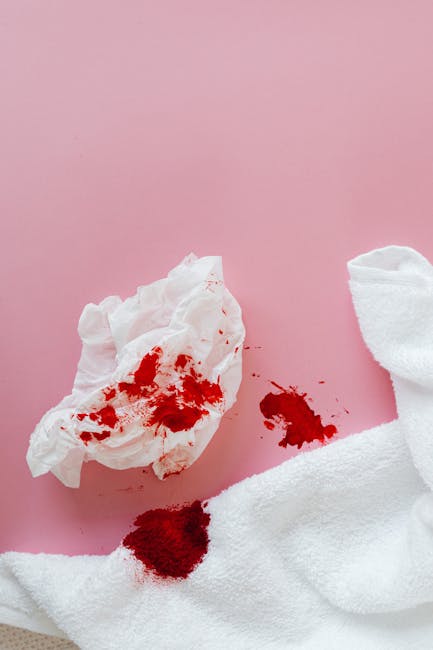
Emergency stain removal cleaning in Chislehurst same day help

If a spill has just landed on your carpet, sofa, rug, or mattress, the first few minutes matter more than most people realise. Emergency stain removal cleaning in Chislehurst same day help is about acting quickly, using the right method for the material, and stopping a small accident from becoming a permanent mark. A dropped glass of red wine, muddy footprints after a wet school run, ink on upholstery, pet mess on a rug, or a grease splash in a busy kitchen can all spread fast. And once a stain settles, it often gets harder, not easier, to remove.
This guide walks you through what same day stain cleaning actually involves, when it makes sense, how professionals approach it, and what you can safely do before help arrives. You will also find practical tips, common mistakes to avoid, and a clear checklist so you can act calmly instead of panicking. Let's face it, a stain is stressful enough without guessing your way through it.
Why Emergency stain removal cleaning in Chislehurst same day help Matters
Stains are one of those household problems that seem simple at first and then turn stubborn in a hurry. A fresh spill can soak into fibres, fibres can trap pigment or grease, and heat or rubbing can set the mark deeper. That is why emergency stain removal cleaning in Chislehurst same day help matters: it reduces the time the stain has to bond with the surface and gives you a far better chance of a clean result.
In practical terms, same day help is useful whenever the stain is new, visible, and likely to worsen if left until tomorrow. A splash on a lounge carpet before guests arrive, a coffee spill in a rented flat, or a pet accident on an upholstered chair all benefit from quick attention. You can sometimes blot and slow the damage, but if the stain is large, coloured, greasy, or on a delicate fabric, the safest move is often to get professional support quickly.
There is also the smell factor. Some stains look manageable but start to smell within hours, especially organic spills like milk, food, urine, or vomit. That is one reason customers ask for same day cleaning rather than waiting. Nobody wants a room that looks acceptable but feels, well, slightly off when you walk in. You notice it straight away.
Practical takeaway: the sooner the stain is assessed, the more options you usually have. Fast action often means less damage, less smell, and a better chance of saving the material.
In a place like Chislehurst, where homes range from family houses to flats and small business premises, the request is often about timing as much as cleaning quality. People need a response that fits real life: school pick-ups, visitors, tenants moving out, or a shop floor that must look presentable by evening.
How Emergency stain removal cleaning in Chislehurst same day help Works
Same day stain removal usually starts with a quick assessment. A cleaner will want to know what caused the stain, what the surface is, how long it has been there, and whether you have already tried anything on it. That last part matters more than many people think. A bit of washing-up liquid, bleach, or a random spray can change the chemistry of the stain and limit what can be done next. Not ideal, to be fair, but it happens all the time.
From there, the process normally follows a few careful steps:
- Identify the stain type - for example food, drink, oil, ink, mud, pet urine, makeup, or paint.
- Check the fabric or surface - carpet, wool rug, cotton upholstery, synthetic sofa fabric, or mattress ticking.
- Test for colourfastness - this helps avoid dye transfer or bleaching on delicate materials.
- Pre-treat the stain - using a method suited to the mark rather than a one-size-fits-all product.
- Agitate carefully - gentle action is often better than forceful scrubbing.
- Extract, rinse, or absorb - depending on the fibre and the stain.
- Dry properly - reducing moisture helps limit wicking, reappearing marks, and odour.
Professional stain removal is not just about making the spot look lighter. It is about understanding how the stain behaves. Protein stains, for example, need a different approach from oil-based stains. Ink behaves differently again. A red wine stain on a wool carpet is a very different job from mud on a synthetic hallway runner. This is why same day stain cleaning is part diagnosis, part treatment.
If you want the broader service context, it can also sit alongside stain removal, carpet cleaning, or upholstery cleaning, depending on the item affected. Sometimes one area is enough. Sometimes the spill has travelled, and the whole section needs attention.
In the middle of a small crisis, that distinction matters. Do you need a spot treatment, or a deeper clean to remove residue that is only partially visible? That is the sort of judgment that saves time and avoids chasing the stain around the fabric.
Key Benefits and Practical Advantages
Fast stain response gives you a mix of visible and invisible benefits. The obvious one is better appearance. The less obvious ones are often the more valuable.
- Better stain recovery: fresh stains are usually easier to lift than old ones that have dried in.
- Reduced fibre damage: the right method is gentler than aggressive DIY scrubbing.
- Less lingering odour: especially important for spills involving food, drink, pets, or organic material.
- Lower risk of spreading: professional technique helps prevent the stain from growing outward.
- Protection for valuable items: rugs, sofas, curtains, and mattresses can be expensive to replace.
- Time saving: you do not spend an evening trying three products and making the issue worse.
There is also a simple peace-of-mind benefit. When a stain happens just before an event, inspection, checkout, or family visit, same day help can stop the whole day from spiralling. That sounds dramatic, but anyone who has had coffee on a cream sofa at 7:30 in the morning knows the feeling.
Another practical advantage is that experienced cleaners often recognise when a stain is really two problems at once. For example, a muddy patch may leave a darker residue below the surface, or a pet accident may need both stain removal and odour treatment. If you only treat the visible mark, the issue may come back later. Annoying, yes. Common, also yes.
For households with children or pets, quick stain treatment can also support a cleaner, healthier-feeling home environment. It is not about perfection. It is about keeping things under control before a little spill turns into a bigger housekeeping headache.
Who This Is For and When It Makes Sense
Emergency stain removal cleaning in Chislehurst same day help is not just for dramatic accidents. It is for anyone who needs a fast, sensible response to a spill or mark they cannot comfortably handle alone.
Typical situations include:
- Red wine, tea, coffee, juice, or sauce on carpets and rugs
- Ink or marker on upholstery or fabric chairs
- Grease, oil, or makeup on sofas and cushions
- Pet urine, vomit, or faeces on soft furnishings
- Mud tracked in from outside, especially in wet weather
- Food spills during parties, family meals, or takeaways
- Rental or end-of-tenancy marks that need attention before inspection
It makes sense if the item is important, the stain is fresh, and the risk of making it worse is high. It also makes sense if the material is delicate. Wool, velvet, silk blends, antique rugs, and some upholstery fabrics can be easily damaged by over-wetting or the wrong chemicals.
Commercial settings may need same day help too. A small stain in a reception area, meeting room, cafe seating area, or customer lounge can affect first impressions more than people like to admit. Business owners often want the issue sorted before the next customer walks in. Fair enough.
If you are unsure whether a stain is worth calling in help for, ask yourself three questions: Is it getting worse? Is the item valuable or difficult to replace? Have I already made it look cleaner but smell worse? If the answer to any of those is yes, professional help is usually worth considering.
Step-by-Step Guidance
If you are waiting for a cleaner to arrive, or you want to avoid making the stain worse before treatment, here is a calm, practical approach.
- Blot, do not rub. Use a clean white cloth or paper towel and press gently from the outside of the stain inward.
- Remove loose material. If it is mud or food, lift away any excess before applying moisture. Do not grind it in.
- Avoid hot water unless you are sure. Heat can set some stains, especially protein-based ones like blood, egg, or dairy.
- Do not mix products. Bleach, vinegar, stain sprays, and detergents can react badly together. Best not to play chemist on the sofa.
- Keep the area ventilated. Open a window if possible and reduce trapped moisture.
- Photograph the stain. This helps if you need to explain what happened or show the extent before treatment.
- Tell the cleaner exactly what was spilled. Even a rough description helps the technician choose the right approach.
If the stain is on a carpet, you may also want to protect the area around it by keeping foot traffic off it until help arrives. If it is on upholstery, avoid sitting on the spot and resist the urge to keep checking it every ten minutes. That is human, of course, but repeated touching often makes things harder.
When a professional arrives, they may test a small hidden patch first. This is normal and reassuring. It shows they are checking how the fabric responds before they apply a full treatment. Good practice, not over-caution.
Expert Tips for Better Results
Experienced cleaners usually work with a few simple principles that make a big difference. None of them are flashy. They are just effective.
Use the least aggressive method first
A gentle, targeted treatment is often better than going straight in with strong chemicals. If the stain can be lifted with careful extraction or a mild solution, there is no reason to risk fading or texture damage.
Match the treatment to the stain
Oil, dye, protein, tannin, and soil-based stains behave differently. Tea and coffee do not respond the same way as grease or ink. The wrong product can set the stain, which is a frustrating thing to learn the hard way.
Drying matters as much as cleaning
Even a well-cleaned stain can return as a pale ring if moisture moves residue up from below the surface. That is called wicking. Proper drying reduces it. Airflow helps. Patience helps too, though nobody loves hearing that in the middle of a mess.
Keep fabrics and fibres in mind
Wool, synthetic carpet, microfibre, cotton, and blends all react differently. A product that works on one surface can be too harsh on another. This is especially important for upholstered furniture and rugs.
Act fast, but think first
Speed matters, yes. But so does a clear head. The quickest way to make a stain harder to remove is to panic and scrub at it without checking the material. A few steady minutes can save you a lot of hassle later.
One small but useful tip: keep a couple of clean white cloths and a plain paper towel roll handy at home. Not glamorous, I know, but very practical when something spills at the worst possible moment.
Common Mistakes to Avoid
Stain removal often goes wrong because people are trying to help quickly. The intention is good; the method, not always.
- Rubbing hard: this pushes the stain deeper and can fray fibres.
- Using too much water: over-wetting can spread the mark and lead to longer drying times.
- Applying random household products: not every stain needs vinegar, and not every fabric wants detergent.
- Using coloured cloths: dye transfer from a towel can make the problem worse.
- Hiding the stain under perfume or air freshener: this can mask odour briefly but not solve the source.
- Waiting too long: dried stains are generally harder to lift and may need deeper treatment.
Another common error is assuming that because the top of the stain has faded, the job is done. Sometimes the visible mark is only part of the issue. A dark patch beneath the surface or a smell that returns later usually means residue is still present.
To be fair, DIY stain advice online can be a mixed bag. Some of it is useful. Some of it is wildly optimistic. If a method sounds too simple for a stubborn stain, it probably is.
Tools, Resources and Recommendations
You do not need a cupboard full of specialist products to handle a stain well. In many cases, a few sensible basics are enough until a professional steps in.
| Tool or resource | What it is useful for | Why it helps |
|---|---|---|
| Clean white cloths | Blotting spills without dye transfer | Lets you lift moisture without adding colour |
| Paper towels | Quick absorption of fresh liquid | Good for the first few minutes after a spill |
| Soft brush | Loosening dried mud or debris | Reduces the need for harsh scrubbing |
| Fan or open window | Speeding up drying | Helps prevent damp smells and reappearing marks |
| Professional stain treatment | Complex, delicate, or urgent stains | Brings the right process for the surface and stain type |
For more complete cleaning support, some people pair stain removal with services such as sofa cleaning, rug cleaning, mattress cleaning, or pet stain and odour removal. That can be especially useful if the stain has already left a smell or spread to surrounding areas.
If you are planning the job properly, it also helps to understand pricing and what is included. A transparent pricing and quotes page is often the clearest place to check what type of service you might need and whether same day availability is offered. And yes, asking questions is perfectly fine. It is your home.
Law, Compliance, Standards and Best Practice
For most homeowners, emergency stain removal is a practical service rather than a legal one. Still, good providers should work in line with sensible UK standards for safety, care, and clear communication. That means using appropriate products, handling equipment responsibly, and avoiding unnecessary risk to people, pets, and property.
Where chemicals are used, cleaners should follow product instructions carefully and consider ventilation, contact time, and surface suitability. That sounds basic, but it is exactly the kind of detail that separates a careful service from a careless one. A good company should also be able to explain any limitations, especially for fragile fabrics, dyes, or older items.
Insurance and safety matter too. If the stain job involves valuable furnishings, awkward access, or commercial spaces, it is reasonable to ask how the work is covered and what precautions are taken on-site. A page like insurance and safety can help set expectations before anyone starts spraying or moving furniture around.
For businesses, there is also a wider duty of care to keep premises reasonably clean and safe for staff and visitors. That does not mean every mark has to be spotless at once, but it does mean spills should be handled promptly to reduce slip risks, odours, or avoidable damage. A discreet same day response is often the sensible choice.
Best practice is simple: be clear about the stain, keep the work area safe, use suitable methods for the material, and avoid making claims that a stain can be removed if no one has properly assessed it. Honest advice is worth more than a confident guess.
Options, Methods, and Comparison Table
Not every stain needs the same response. Some can be handled with a quick spot treatment. Others need a deeper clean, odour treatment, or a careful process for delicate fibres. Here is a simple comparison to help you think it through.
| Approach | Best for | Pros | Limitations |
|---|---|---|---|
| DIY blotting and drying | Very fresh, simple spills | Fast, low cost, easy to do right away | Limited on stubborn, greasy, or set-in stains |
| Spot treatment | Small localised marks on suitable fabrics | Targets the problem area directly | Can leave rings if moisture is not managed well |
| Professional same day stain removal | Urgent, delicate, or unclear stains | Better diagnosis, safer methods, faster turnaround | May not be necessary for every minor spill |
| Deep clean with stain and odour treatment | Pet accidents, food spills, and lingering smells | Addresses visible mark and hidden residue | May take longer to dry |
Sometimes the right answer is a blend of methods. For example, a quick response now and a deeper carpet clean later. That is not overkill. It is just sensible sequencing. If the stain is on a sofa, it may be paired with curtain cleaning or other soft furnishing care if the room has picked up odours or general dust at the same time.
The main thing is not to treat every stain like a simple spot. Some are surface marks. Others are the visible tip of a bigger issue underneath.
Case Study or Real-World Example
A typical same day call in Chislehurst might go something like this. A family spills a dark drink on a pale living room carpet shortly before guests are due. They blot it, but the patch keeps spreading. By the time they call for help, the stain has already darkened at the edges and the room smells faintly sweet and sticky.
On arrival, the cleaner identifies the carpet fibre, tests the area, and starts with a controlled pre-treatment rather than a heavy soak. The surface stain lifts fairly well, but there is still a faint shadow below the pile. That is the part many people miss. A second pass and careful extraction reduce the remaining mark, and the carpet is left drying with decent airflow rather than being left damp and forgotten.
The useful lesson here is not that every stain disappears perfectly. Sometimes they do, sometimes they do not. The lesson is that acting quickly improves the odds, and careful technique avoids turning a manageable spill into a permanent patch. A neat result is usually the product of method, not magic.
Another common scenario is pet urine on upholstery or a rug. The visible wet patch can be managed, but the odour may return if residue remains in the backing or padding. In those cases, same day treatment can make a noticeable difference because it tackles both the stain and the smell before they settle in. Much more pleasant for everyone involved.
Practical Checklist
Use this checklist when a spill happens and you need to decide what to do next.
- Identify the stain: food, drink, grease, ink, pet accident, mud, or something else.
- Note the surface: carpet, sofa, rug, mattress, curtain, or clothing item.
- Act immediately: blot gently with a clean white cloth or paper towel.
- Avoid rubbing or scrubbing: especially on delicate fibres.
- Do not mix products: especially if you have already tried something.
- Keep children and pets away: from the treated area until it is dry and safe.
- Ventilate the room: open windows if possible.
- Take a photo: useful for describing the issue clearly.
- Share any prior attempts: tell the cleaner what you have already used.
- Ask about drying time: especially if the item is in daily use.
This list is simple, but it genuinely helps. Most stain disasters become bigger because people skip the boring steps. And, honestly, the boring steps are the good ones.
Get a free quote today and see how much you can save.
Conclusion
Emergency stain removal cleaning in Chislehurst same day help is really about restoring control quickly. A fresh spill can be messy, embarrassing, or just plain annoying, but it does not have to become a lasting problem. The right response combines fast action, careful diagnosis, and sensible treatment for the surface and the stain type.
If you remember only one thing, make it this: blot gently, do not panic, and get help sooner rather than later when the stain is valuable, delicate, smelly, or simply beyond a quick DIY fix. That approach saves fabric, saves time, and often saves money too.
When you need support, choose the option that feels clear, honest, and practical. A good same day service should make the situation feel smaller the moment you speak to someone.
And once the stain is gone, the relief is oddly huge. One less thing hanging over the day. One more room that feels like yours again.
Frequently Asked Questions
How quickly should I get help after a stain happens?
As soon as possible. Fresh stains are usually easier to remove, and early action can stop the spill from spreading or setting into the fibres.
Can every stain be removed on the same day?
Not always. Some stains lift quickly, while others need multiple steps or may leave a faint shadow. Same day help improves the odds, but no honest cleaner can promise perfect results for every material and stain type.
What should I do before the cleaner arrives?
Blot gently, avoid rubbing, keep the area ventilated, and do not apply more products unless you know they are suitable. If possible, keep pets and children away from the spill area.
Is it safe to use vinegar or bleach on carpet stains?
Not as a general rule. Both can cause problems on some fibres or dyes, and bleach in particular can damage or discolour materials. It is safer to avoid mixing chemicals and wait for proper advice.
Do emergency stain removals work on upholstery as well as carpets?
Yes, but upholstery needs more care because fabrics, fillings, and backing materials vary. Sofas and chairs can absorb liquid differently from carpets, so the treatment has to suit the item.
What if the stain smells even after the surface looks cleaner?
That usually means residue is still present deeper in the fibres or underlay. In those cases, a deeper clean or odour treatment may be needed, especially for pet or food-related spills.
Will a professional cleaner always use strong chemicals?
No. Good stain removal is usually about choosing the right method, not the strongest one. Often a mild, targeted treatment is safer and more effective.
How long does same day stain cleaning take?
It depends on the stain, the material, and how much of the item is affected. A small spot may be handled quickly, while a larger or more delicate job takes longer because it needs testing and careful drying.
Can a stain come back after cleaning?
Yes, sometimes. This is often caused by wicking, where residue rises back to the surface as the item dries. Proper extraction and drying reduce the risk, but it can still happen on some jobs.
Is same day stain removal worth it for a small mark?
If the mark is fresh, visible, and on an important item, it often is. Small stains can become stubborn surprisingly fast, so early treatment can save you a bigger job later.
What details should I tell the cleaner when I call?
Tell them what caused the stain, how long ago it happened, what material is affected, whether you have already tried anything, and whether there is any odour. Those details help them decide the safest approach.
Can I combine stain removal with a deeper clean?
Absolutely, and often that is the sensible choice if the item has general soiling as well as a spot. In some cases, a wider clean gives a more even finish and helps the stain blend better with the surrounding area.
If you are dealing with a fresh spill right now, stay calm, keep it simple, and get the right help before the stain settles in for the long haul. A quick response has a funny way of turning a stressful moment into a manageable one.