Station Road Chislehurst upholstery cleaning tips for flats
If you live in a flat on or near Station Road in Chislehurst, upholstery cleaning can feel oddly tricky. There's less space to work, drying time matters more, and a sofa or armchair can take over the whole room if you are not careful. Add shared entrances, neighbours, parking, and the general reality of modern flat living, and even a simple clean needs a bit of planning. This guide to Station Road Chislehurst upholstery cleaning tips for flats is designed to help you clean smarter, protect delicate fabrics, and avoid the common mistakes that leave marks, odours, or damp patches behind.
We'll cover what upholstery cleaning actually involves, how to approach it in a flat, which methods work best in smaller homes, and when it makes sense to bring in a specialist. If you want a straightforward, practical guide rather than a fluffy one, you're in the right place.
Table of Contents
- Why Station Road Chislehurst upholstery cleaning tips for flats Matters
- How Station Road Chislehurst upholstery cleaning tips for flats Works
- Key Benefits and Practical Advantages
- Who This Is For and When It Makes Sense
- Step-by-Step Guidance
- Expert Tips for Better Results
- Common Mistakes to Avoid
- Tools, Resources and Recommendations
- Law, Compliance, Standards, or Best Practice
- Options, Methods, or Comparison Table
- Case Study or Real-World Example
- Practical Checklist
- Conclusion
- Frequently Asked Questions
Why Station Road Chislehurst upholstery cleaning tips for flats Matters
Upholstery is easy to overlook because it doesn't always look "dirty" in the same way a carpet does. But sofas, dining chairs, window seats, ottomans, and headboards quietly collect dust, skin oils, crumbs, pet dander, drink spills, and everyday grime. In a flat, that build-up is often more noticeable because rooms are smaller and surfaces are used constantly. One cup of tea or a takeaway dinner on the sofa can leave a lingering smell that seems to hang around, especially when the windows stay shut on a cold evening.
There's also the space issue. Flats near Station Road often don't have the luxury of a utility room, a garage, or a garden where furniture can dry in peace. That means the cleaning method needs to suit the home, not just the fabric. A heavy soak that works fine in a house can be a headache in a flat. To be fair, most upholstery problems are not dramatic; they're just persistent. A dull patch here, a faint odour there, a cushion that never quite looks fresh again.
Good cleaning advice matters because it helps you avoid over-wetting, colour transfer, shrinkage, and those frustrating tide marks that appear after the fabric dries. It also helps you decide when a quick refresh is enough and when a deeper clean is worth arranging through professional upholstery cleaning.
How Station Road Chislehurst upholstery cleaning tips for flats Works
The basic idea is simple: identify the fabric, remove loose dirt first, treat marks carefully, and use the least moisture needed to achieve a proper clean. In flats, the "least moisture needed" part is the key. You want clean upholstery, not a sofa that takes two days to dry by the window with a fan pointed at it like it's in some low-budget science project.
Most upholstery cleaning follows a few stages:
- Inspection - Check fabric type, visible stains, wear, sun fading, and labels or cleaning instructions if available.
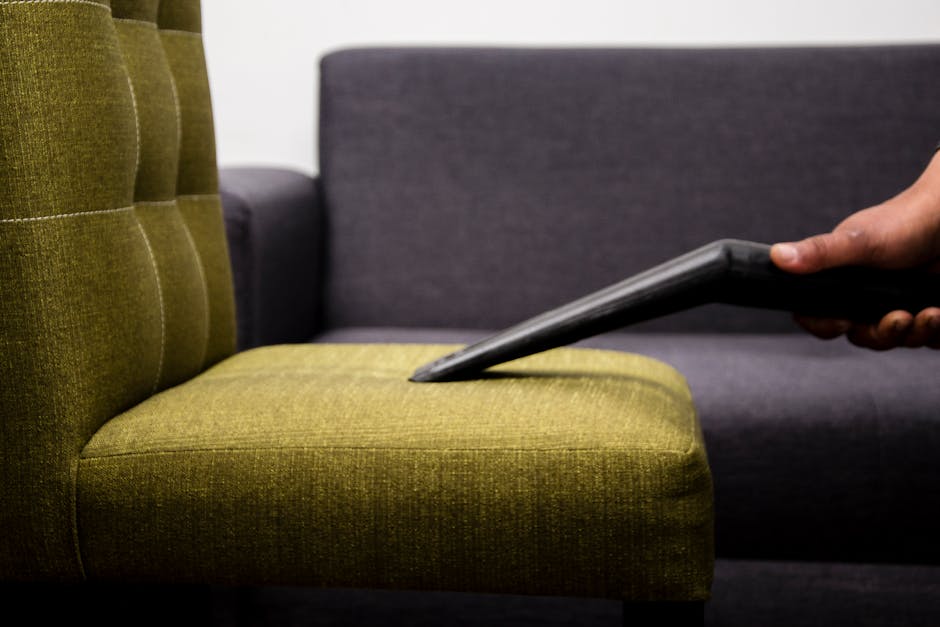
- Dry soil removal - Vacuum thoroughly, including seams, buttons, folds, and under cushions.
- Spot treatment - Pre-treat isolated marks with a suitable product or light cleaning solution.
- Main cleaning - Use a low-moisture or controlled-moisture method matched to the fabric.
- Extraction or wiping - Remove loosened dirt and as much moisture as possible.
- Drying and grooming - Speed drying with airflow, reshape fibres, and leave the fabric looking even.
For flats, the challenge is not just cleaning; it is managing the aftermath. Drying time, access, ventilation, and noise all matter. If you are in a building with shared hallways or limited lift access, planning becomes part of the cleaning process. A method that finishes quickly and dries fast is usually the safest choice. For a deeper refresh, many people choose a service that also handles related items such as sofa cleaning, rug cleaning, or curtain cleaning at the same visit.
Key Benefits and Practical Advantages
Done properly, upholstery cleaning in a flat does more than make the room look nicer. The practical benefits are what most people notice first.
- Better air feel in the room - Dust and odours trapped in fabric can make a flat feel stuffy.
- Longer fabric life - Regular care reduces wear from grit and embedded debris.
- Cleaner-looking seating - Sofas and chairs often become the visual centre of a living room.
- Less risk of permanent staining - Fresh spills are easier to deal with than old set-in marks.
- More comfortable home environment - A clean sofa just feels better, frankly.
- Better suitability for small spaces - Quick-drying methods reduce the disruption caused by cleaning day.
There's another advantage that people don't always mention: confidence. When your furniture looks and smells fresh, you stop worrying about guests noticing that one water mark or the faint pet smell that has been annoying you for weeks. That peace of mind counts.
Expert summary: In flat living, upholstery cleaning works best when it is light on moisture, heavy on preparation, and realistic about drying time. If the method is too aggressive for the space, the clean may create new problems. That's the bit people learn the hard way.
Who This Is For and When It Makes Sense
This advice is especially useful if you live in a one-bedroom, two-bedroom, or studio flat and want to keep furniture fresh without turning the place upside down. It also suits renters who want the flat looking tidy before an inspection, sale, or move-out handover. Let's face it, a sofa can make or break the overall impression of a room.
It makes sense to focus on upholstery cleaning if you notice any of the following:
- grey patches where hands and arms rest regularly
- drink spills, food marks, or faint ring stains
- pet smells or dander collecting in cushions
- dusty or flat-looking fibres
- a stale smell after windows have been closed for a while
- allergy irritation that seems worse in the lounge
- fabric that looks uneven after DIY spot cleaning
Sometimes the issue is not a big stain at all. Sometimes it is just that the room no longer feels fresh. You know the feeling. Everything is tidy, but the sofa says otherwise.
If your flat is part of a busy household, or if you keep pets, you may also want to look at pet stain and odour removal as part of a wider fabric care plan. That is often the difference between "clean enough" and genuinely refreshed.
Step-by-Step Guidance
Here is a practical way to clean upholstery in a flat without making life harder than it needs to be.
1. Check the fabric first
Before you touch a spray bottle, find the cleaning label if you can. Different fabrics react differently to moisture and cleaning agents. If there is no label, be cautious. Unknown fabric and strong cleaner are not a great combination, and in a small flat you do not want a testing mistake spreading across the whole sofa.
2. Vacuum more thoroughly than you think
Use a soft brush attachment and work slowly. The goal is to lift dust, crumbs, hair, and grit from seams and creases before any liquid goes near the fabric. Skipping this step is one of the main reasons DIY cleaning ends with muddy-looking residue. Bit annoying, really.
3. Test a hidden area
Always test a small, hidden patch first. Check for colour bleed, texture change, or water marking. Give it time to dry before you decide the fabric has behaved itself. Some issues only show up once the moisture has evaporated.
4. Treat spots gently
Work from the outside of a stain toward the centre so you don't spread it. Blot rather than rub. Rubbing can rough up fibres or push the spill deeper into the cushion. For sticky or greasy marks, a specialist stain treatment may be better than a general cleaner. If that sounds like your situation, the stain removal service page is a useful reference point.
5. Use controlled moisture
In flats, over-wetting is the enemy. Apply cleaning solution sparingly with a microfibre cloth, sponge, or low-moisture tool. If you are using extraction equipment, use only as much liquid as needed and pass over the area carefully to remove it. You want the fibres damp, not soggy.
6. Speed up drying
Open windows where safe and practical, use a fan if you have one, and keep cushions spaced out. If possible, let the furniture dry in a room you do not need immediately. Avoid sitting on it until it is fully dry. That sounds obvious, but people do it anyway. We all do, once.
7. Reset the room afterwards
Put cushions back only when the fabric is dry through the middle as well as on the surface. Then check for shading, ring marks, or stiffness. If anything looks odd, leave it to dry a little longer before deciding whether further treatment is needed.
Expert Tips for Better Results
Small adjustments make a big difference, especially in a flat where every square foot matters.
- Clean in daylight if you can. Natural light helps you spot marks you'd otherwise miss.
- Use towels under removable cushions. It protects the floor and catches drips before they spread.
- Work one section at a time. A sofa arm, then a seat, then a back panel. It keeps the job tidy and manageable.
- Avoid soaking seams. Stitching and piping hold moisture longer than flat fabric panels.
- Keep a consistent drying setup. One fan, one open window, one clear route around the furniture. Simple is better.
- Be careful with deodorising powders. They can sit in fibres and become difficult to remove fully in compact flats.
- Plan around the household. If the living room is the only sitting room, clean early in the day so the sofa has time to dry.
One useful habit: before you clean, take a quick photo of the furniture in normal light. Then you can compare before and after without relying on memory, which is famously unreliable after two cups of tea.
If your upholstery is part of a wider refresh, it may be worth pairing it with steam carpet cleaning for the floor and mattress cleaning for sleeping areas. That creates a more complete result, not just a single cleaned item in an otherwise dusty room.
Common Mistakes to Avoid
Most upholstery cleaning problems in flats come from the same handful of mistakes. Avoid these and you are already ahead of the game.
- Using too much water - This causes long drying times, smells, and possible water rings.
- Rubbing stains hard - It can damage fibres or spread the stain further.
- Ignoring fabric type - Leather, velvet, wool blends, and synthetics all need different handling.
- Cleaning only the visible mark - Spot-cleaning a small patch can leave a halo around it.
- Skipping ventilation - A closed flat traps moisture and odour.
- Using strong products without testing - Harsh chemicals can fade or distort fabric.
- Sitting on damp cushions too early - That's how fresh marks and shape distortion happen.
There is also the "cleaning panic" mistake, which is very real. You notice a spill, rush to scrub it, add more product, and suddenly the patch is twice the size. Happens all the time.
Tools, Resources and Recommendations
You do not need a van full of equipment to keep flat upholstery in good shape. But the right basic tools help a lot.
- Soft brush vacuum attachment - Essential for seams and routine maintenance.
- Microfibre cloths - Good for controlled blotting and light surface cleaning.
- White towels - Useful for drying and checking whether colour transfers.
- Fan or airflow source - Helps speed drying in a small room.
- Fabric-safe cleaner - Only if suitable for your upholstery type.
- Small spray bottle - Better control than pouring liquid directly on fabric.
- Protective gloves - Handy for repeated cleaning or sensitive skin.
For residents who want a more complete clean without juggling the equipment themselves, professional help is often the simplest route. It can be especially helpful for awkward furniture, older fabrics, or upholstered items with heavy daily use. You can explore the full upholstery cleaning service alongside related options like carpet cleaning and rug cleaning if the whole flat needs a reset.
Law, Compliance, Standards, or Best Practice
For most household upholstery cleaning, there is no complicated legal process to follow. Still, best practice matters. In flats, especially rented ones or shared buildings, it is wise to avoid creating slip hazards in communal areas and to manage waste water responsibly. If you are hiring someone, check that they work carefully, use suitable products, and carry proper insurance where relevant. That is just sensible, really.
From a tenant's perspective, it is also good practice to keep the property in a reasonably clean condition and to act quickly on spills before they become permanent damage. If you are moving out, your agreement may expect the flat to be left in a clean condition, though the exact wording depends on the tenancy terms. This is one of those areas where reading the paperwork matters more than people expect. Not glamorous, but helpful.
Where cleaning services are involved, trust signals such as transparent pricing, payment security, health and safety practices, and clear terms are worth checking. If that matters to you, see the company's pages on pricing and quotes, payment and security, and insurance and safety. Those pages help set expectations before anyone turns up with equipment.
It's also reasonable to ask about waste handling and product choice if sustainability matters to you. A responsible approach to cleaning is better for the flat, the furniture, and the wider environment. You can read more on the company's recycling and sustainability page if that is part of your decision-making.
Options, Methods, or Comparison Table
Different upholstery cleaning methods suit different flats, different fabrics, and different levels of soiling. Here's a simple comparison to help you think it through.
| Method | Best for | Pros | Watch-outs |
|---|---|---|---|
| Vacuuming and spot cleaning | Light dust and fresh spills | Quick, cheap, low disruption | Won't remove deep dirt or old odours |
| Low-moisture cleaning | Most flat upholstery with moderate soil | Faster drying, less disruption | May need careful product choice |
| Hot water extraction | Deeper cleaning on suitable fabrics | Strong soil removal | Longer drying time, higher risk if overused |
| Professional specialist cleaning | Delicate fabrics, stubborn stains, larger flats | Expert assessment, better control, less stress | Cost may be higher than DIY |
For most flats, low-moisture or professionally controlled cleaning is the sweet spot. It gives you a proper refresh without leaving the room out of action all afternoon. If a sofa has a stubborn stain, or the fabric is delicate, professional cleaning often ends up being the safer and cheaper choice in the long run. Better that than buying three products, two towels, and a mild sense of regret.
Case Study or Real-World Example
Here's a realistic example from the kind of flat many people in Chislehurst know well: a compact lounge-diner, one fabric sofa, two dining chairs, and a couple of cushions that see everything from coffee to crisps. After a rainy week, the room starts to feel a bit stale. There's no obvious disaster, just a general "not quite fresh" feeling.
The owner starts by vacuuming carefully, then tests a hidden patch on the sofa arm. A small tea mark on the cushion cover is blotted, not scrubbed. The cleaner uses only a light amount of solution, opens the windows for a while, and sets a fan running across the room. The cushions are left apart rather than stacked. By late afternoon, the sofa smells fresher, the arm looks brighter, and there is no damp odour trapped in the room.
Now compare that with the alternative: a heavy soak, poor ventilation, and sitting on the sofa too soon. You can guess the result. Softer-looking? Maybe. Better? Not really. In flats, a careful process usually wins.
Practical Checklist
Use this checklist before you start cleaning upholstery in a flat.
- Identify the fabric type if possible
- Vacuum seams, creases, and under cushions
- Test any cleaner on a hidden patch first
- Have clean towels ready before applying moisture
- Work from the outside of stains inward
- Use the smallest amount of liquid that does the job
- Keep windows open where safe and practical
- Use a fan to help with drying if needed
- Avoid sitting on the furniture until fully dry
- Check for rings, colour change, or stiffness after drying
Quick takeaway: in a flat, the best upholstery cleaning is usually the one that is controlled, patient, and fabric-aware. Not the wettest one. Not the quickest one. The controlled one.
If you'd like a professional approach for a specific chair, sofa, or whole-room refresh, it can help to review the company's about us page and then decide whether their service style matches what you need.
Get a free quote today and see how much you can save.
Conclusion
Upholstery cleaning in a Station Road Chislehurst flat is really about balance: enough cleaning to make a difference, but not so much moisture or fuss that the room becomes hard to live in. Once you understand the fabric, work carefully, and plan for drying, the process gets much simpler. Truth be told, that's usually what people need most - not a miracle product, just a sensible method and a bit of confidence.
Whether you are refreshing a sofa after months of everyday use, clearing up a stain before guests arrive, or simply trying to make a small flat feel calmer and cleaner, the right approach can make a surprisingly big difference. And there's something genuinely satisfying about sitting back in a clean room and noticing that the whole place just feels lighter. A small win, but a good one.
Frequently Asked Questions
What is the best way to clean upholstery in a flat?
The best method is usually a controlled, low-moisture clean after thorough vacuuming. Flats benefit from faster drying and less disruption, so avoid saturating the fabric unless the upholstery type clearly allows it.
How often should upholstery be cleaned in a Chislehurst flat?
That depends on use, pets, children, and fabric type. Many households benefit from routine vacuuming and periodic deeper cleaning when the furniture starts to look dull or carry odours.
Can I use the same cleaner on all sofa fabrics?
No. Different fabrics respond differently to moisture and cleaning agents. Always check the care label if available and test in a hidden area first.
Why does my sofa get ring marks after cleaning?
Ring marks often appear when too much liquid is used or when the moisture dries unevenly. Blotting carefully and drying the whole area evenly helps reduce the risk.
Is steam cleaning safe for upholstery in flats?
Sometimes, but not always. Steam or hot-water methods can be suitable for certain fabrics, but they may be too wet or too aggressive for delicate materials. A professional assessment is often the safer route.
How long does upholstery take to dry in a flat?
Drying time varies with fabric, room temperature, and airflow. In a flat, drying can be slower if ventilation is limited, so fans and open windows can make a noticeable difference.
What should I do if there is a pet smell in the sofa?
Start with thorough vacuuming and fabric-safe odour treatment. If the smell has soaked into the cushions or backing, a specialist service such as pet stain and odour removal may be more effective.
Can I clean upholstery myself, or should I hire a professional?
Light soiling and fresh spills can often be handled at home. For delicate fabric, older furniture, stubborn stains, or larger pieces that need careful drying, a professional is usually the better option.
Will upholstery cleaning damage rented flat furniture?
It can if the wrong method is used. That's why testing, restraint, and fabric awareness matter. If furniture belongs to a landlord or letting agent, using a careful approach is especially important.
How can I keep upholstery cleaner for longer?
Vacuum regularly, treat spills quickly, rotate cushions, and avoid eating or drinking carelessly on light fabrics. A little maintenance goes a long way, honestly.
What if my sofa looks clean but still smells stale?
That usually means dirt, oils, or odours are deeper in the fibres than the surface suggests. A deeper clean or specialist treatment may be needed to freshen it properly.
Can upholstery cleaning help with allergies?
It can reduce dust and allergens trapped in fabric, which may help create a cleaner-feeling room. It is not a medical treatment, of course, but cleaner upholstery often makes the space more comfortable.
For more information about service standards and what to expect from a visit, you can also review the company's terms and conditions and contact details when you are ready to ask a question.